
REMEDIAL MASSAGE
SERVICES
SPORTS MASSAGE
Focuses on the muscles that you will use for a specific event. If you are constantly training, Sports Massage will help to enhance your endurance, lessen the chance of injury and shorten the time needed to recover from the event. Before the big day, you can have a Sports Massage to increase blood flow and improve flexibility of your muscles. After the event, Sports Massage will help to prevent stiffness, relieve soreness and return the muscles back to their normal state. This technique can also be used for injury rehabilitation.
DEEP TISSUE MASSAGE
Technique applied to the deeper layers of muscle tissue. The idea is to release chronic tension in the body using slow strokes and deep pressure on tight areas, either using thumbs, knuckles, the forearm or the elbow. Deep Tissue massage helps to break up and eliminate scar tissue, it usually focuses on more specific areas and may cause some soreness during or right after the massage. The soreness means that your muscles have got blood flowing within its fibers and the dead cells once stuck in them are being flushed out of the tissue.
TRIGGER POINTS
A Myofascial Trigger Point is a hyper-irritable area within a taut band of muscle and/or it’s fascia. The area is painful on compression and can evoke characteristic referred pain. These trigger points, when they become active or latent, show up in the same places in muscles in every person. To help treat trigger points and their referred pain, it is necessary to apply pressure to the trigger point to break the cycles of spasm and pain, allowing the muscle to relax and heal. The client may notice referred pain in other areas of the body that could be inches from the the area being pressed.
MYOFASCIAL RELEASE
Fascia is a connective tissue that surrounds all muscles in our body. If the fascia becomes restricted – from overuse, inactivity, infection or trauma – the muscle will end up with less blood flow, being tight and painful. Myofascial release is used to stretch the fascia and bring the muscles to their normal functionality and mobility, by applying gentle pressure on the restricted spot. It is a very soothing and effective technique,
and has helped many people with acute and
chronic conditions.
THERAPIES FOR ALL YOUR NEEDS
Remedial massage is the systematic assessment and treatment of the muscles, tendons, ligaments and connective tissues of the body to assist in rehabilitation, pain and injury management. It is performed to create favourable conditions for the body to return to normal health after injury and is defined by the premise that the treatment can reasonably reverse certain physical effects a patient may be presenting.
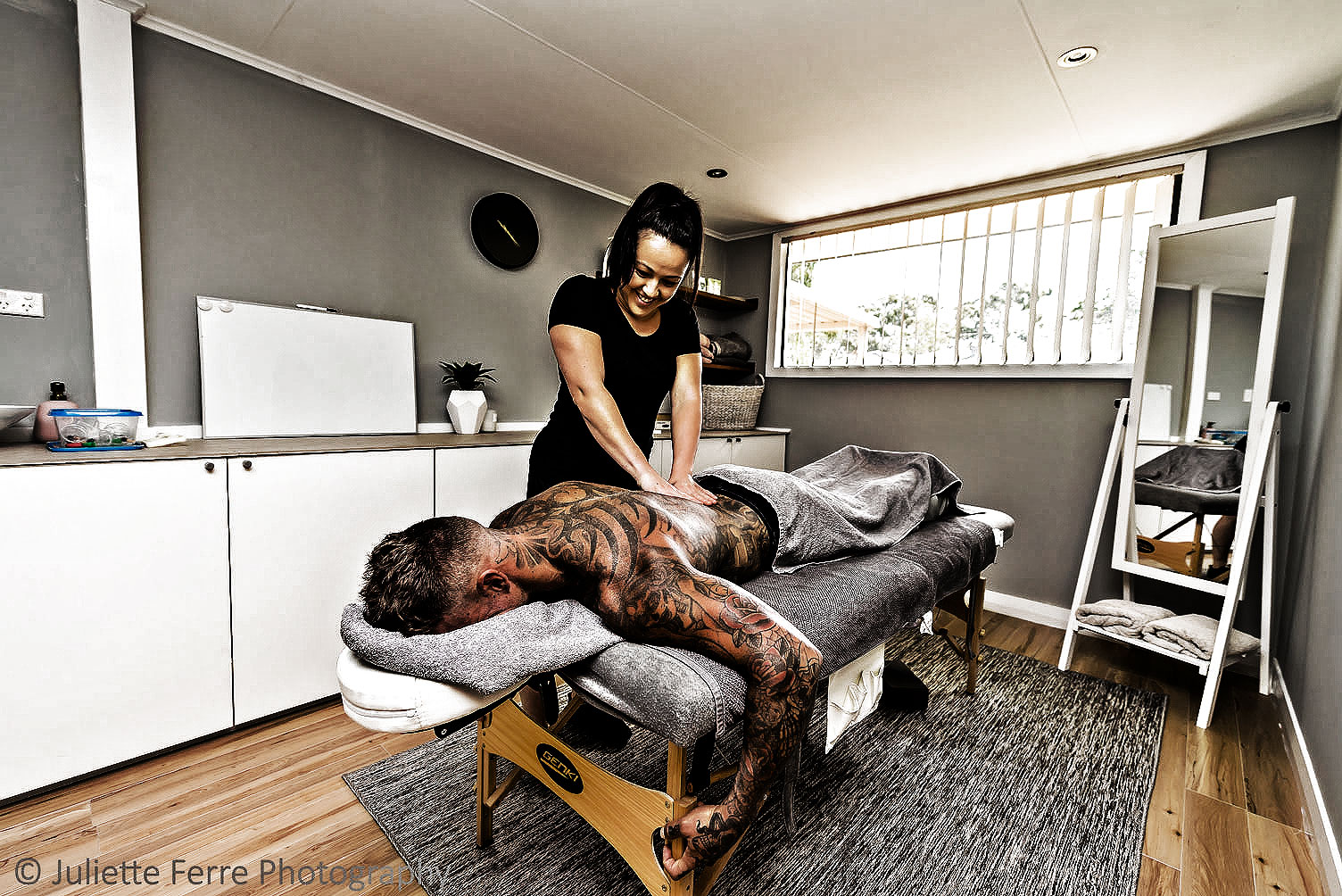
SPORTS MASSAGE
Focuses on the muscles that you will use for a specific event. If you are constantly training, Sports Massage will help to enhance your endurance, lessen the chance of injury and shorten the time needed to recover from the event. Before the big day, you can have a Sports Massage to increase blood flow and improve flexibility of your muscles. After the event, Sports Massage will help to prevent stiffness, relieve soreness and return the muscles back to their normal state. This technique can also be used for injury rehabilitation.
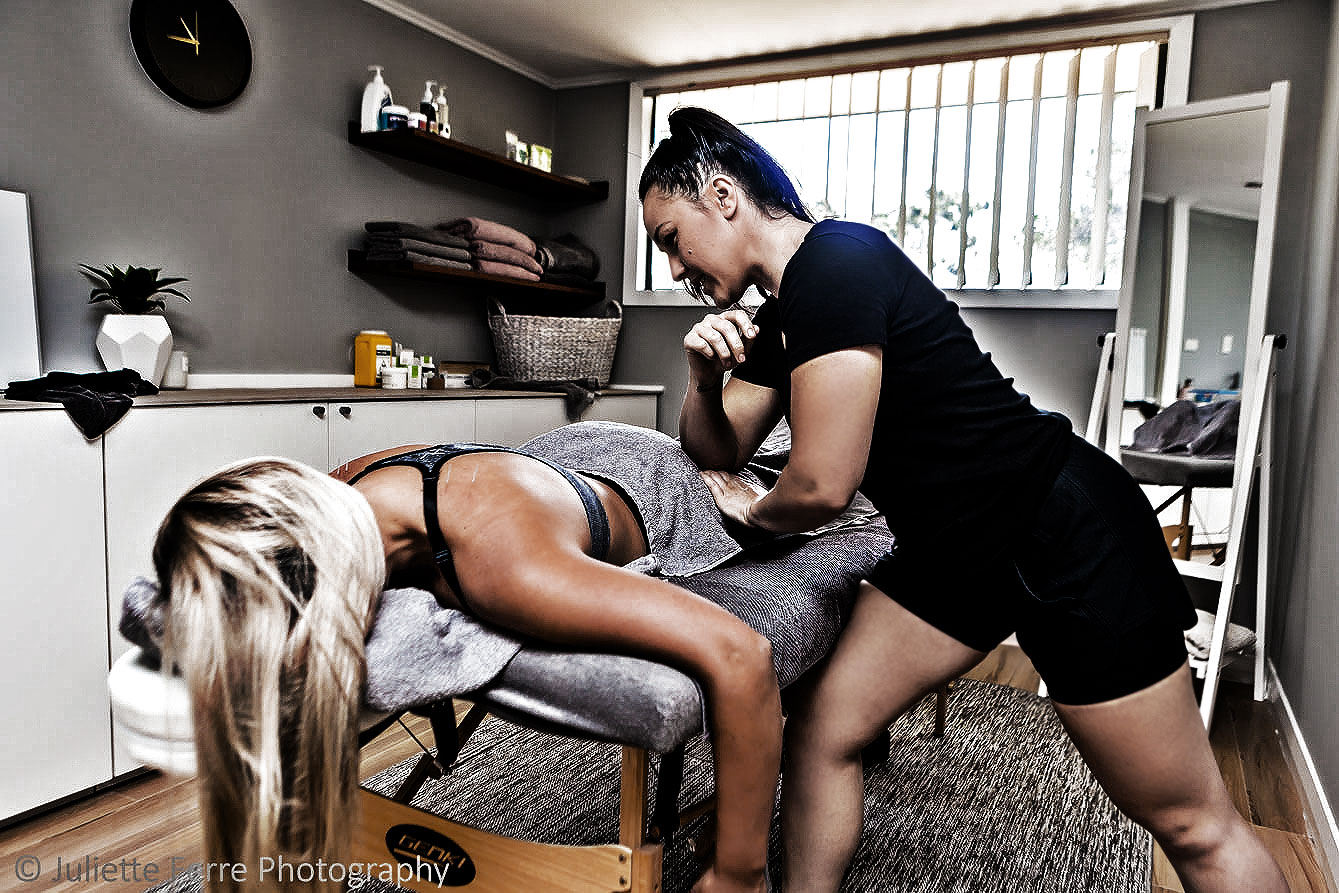
DEEP TISSUE
Technique applied to the deeper layers of muscle tissue. The idea is to release chronic tension in the body using slow strokes and deep pressure on tight areas, either using thumbs, knuckles, the forearm or the elbow. Deep Tissue massage helps to break up and eliminate scar tissue, it usually focuses on more specific areas and may cause some soreness during or right after the massage. The soreness means that your muscles have got blood flowing within its fibers and the dead cells once stuck in them are being flushed out of the tissue.
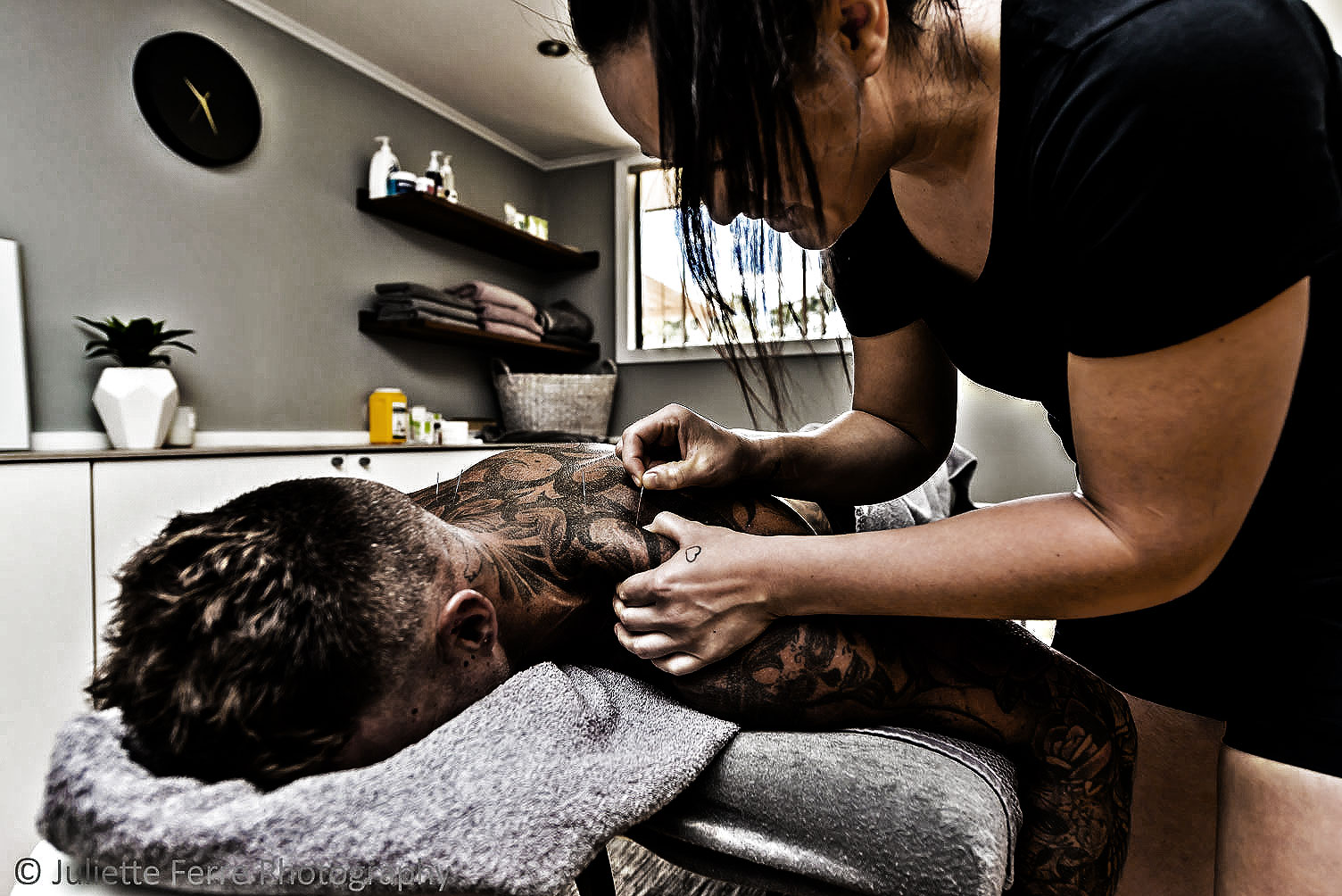
DRY NEEDLING
Dry needling, also known as myofascial dry needling or biomedical acupuncture, involves inserting acupuncture needles into soft tissues such as muscles, fascia, ligaments and tendons. It can be helpful in releasing chronically tight muscles and also muscles in spasm.
Dry needling works by increasing blood supply to the tissue in much the same way as massage. The needle is much finer and more accurate than a thumb so it can be a very precise and powerful technique.
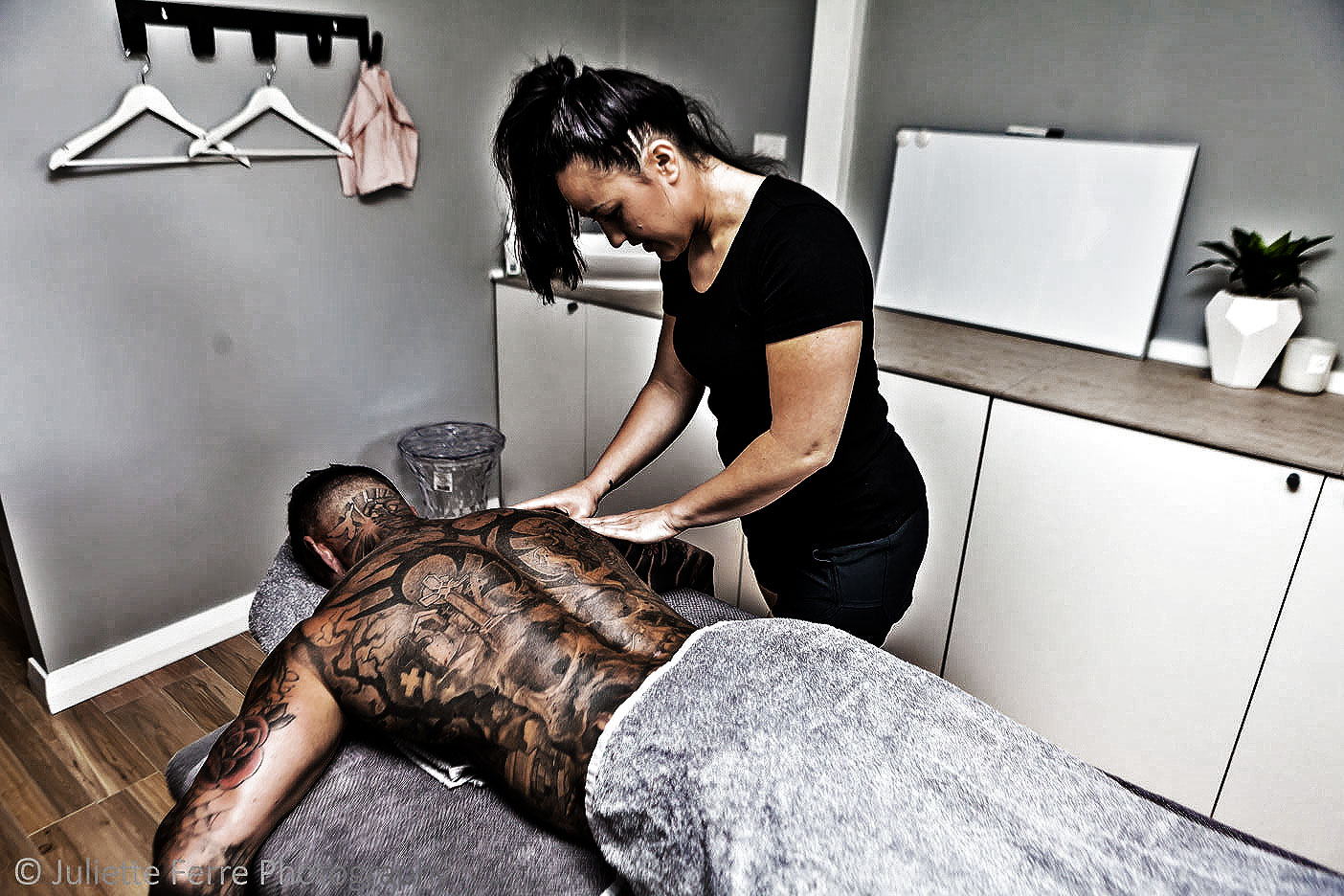
TRIGGER POINT
A Myofascial Trigger Point is a hyper-irritable area within a taut band of muscle and/or it’s fascia. The area is painful on compression and can evoke characteristic referred pain. These trigger points, when they become active or latent, show up in the same places in muscles in every person. To help treat trigger points and their referred pain, it is necessary to apply pressure to the trigger point to break the cycles of spasm and pain, allowing the muscle to relax and heal. Usually the client may notice referred pain in other areas of the body that could be several inches from the the area being pressed.
MF CUPPING
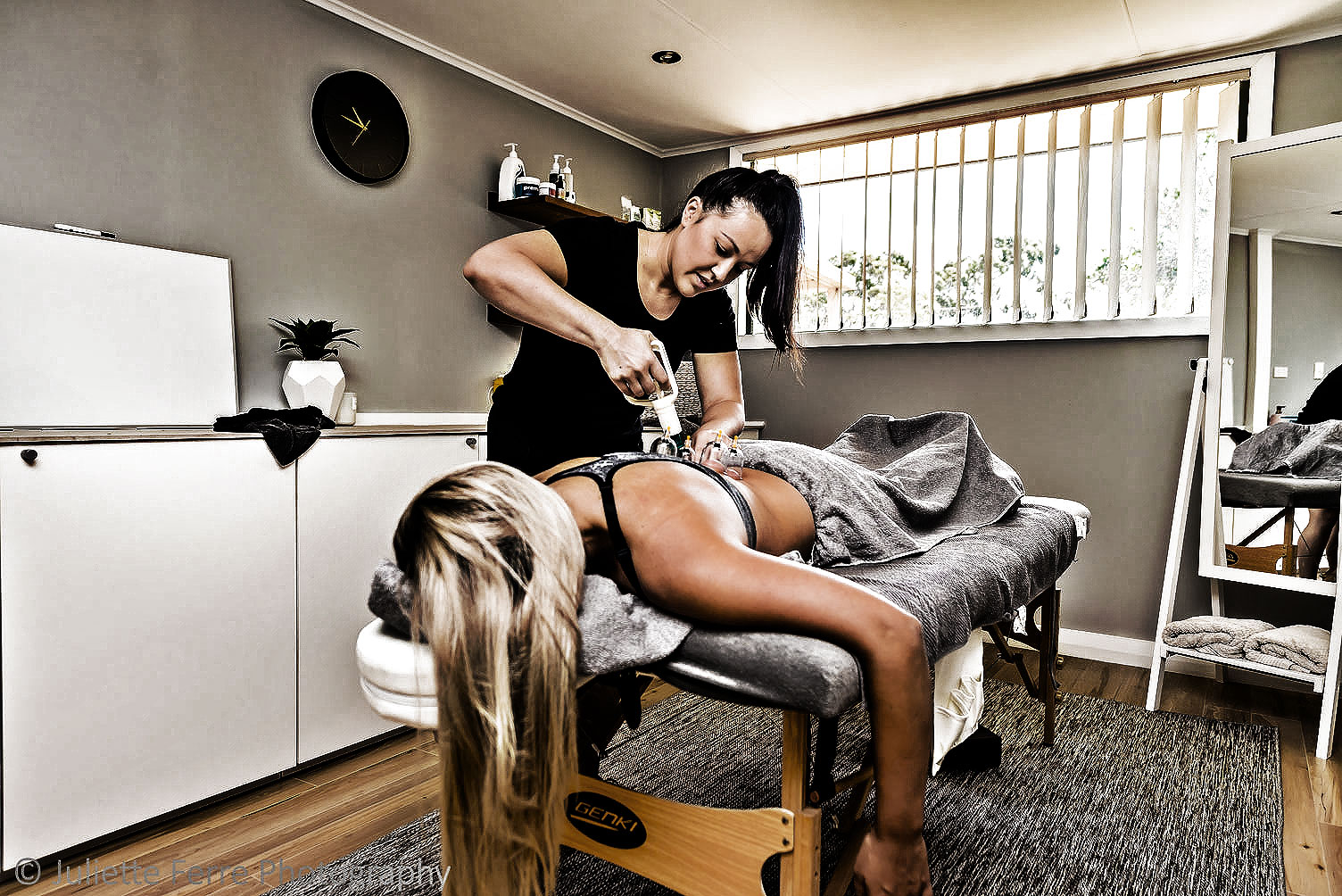
Developed by David Sheehan in 2002, MCT™ involves the gliding of negatively pressurised cups over the body with the assistance of massage cream and can be accompanied by joint mobilisation. The negative pressure and sliding can increase nutrient-rich blood supply to the tissue, while giving a gentle passive stretch to the underlying soft tissue. The Myofascial Cupping Technique™ can provide profound benefits, particularly with assisting the body in maintaining range of motion (ROM), eliminating Myofascial Trigger Points and reducing restrictive and sometimes painful fascial adhesions, commonly found from repetitive movement originating from sports and the workplace. By reducing fascial adhesions, while encouraging optimal hydration levels of soft tissue, the MCT™ can assist in reducing the incidence of injury and maintaining functional soft tissue.
KTAPE
Kinesiology tape was first developed by a Japanese Chiropractor Dr Kenzo Kase in 1970. K-tape can be used to effectively manage and prevent acute/chronic sporting injuries. K-tape is not a stand alone treatment but rather it can be combined with other therapeutic soft tissue techniques such as: deep tissue, myofascial release or trigger point release. The elastic component of K-tape allows it to be stretched up 120%-180%. K-tape can be worn for up to 3 days, providing 24/7 therapeutic support and benefits. Kinesiology tape has been shown to effectively reduce pain and inflammation. The lifting skin mechanism caused by k-tape can create more space in the skin and allows significant reduction of pain as well as decreasing inflammations for affected areas. “Swelling causes pressure and pressure causes pain” John Gibbon – specific kinesiology tape procedures can be used to assist to reduce both pressure and pain that has built up in the soft tissues.
GET BACK TO THE GYM, TRACK, FIELD,STREET OR RING
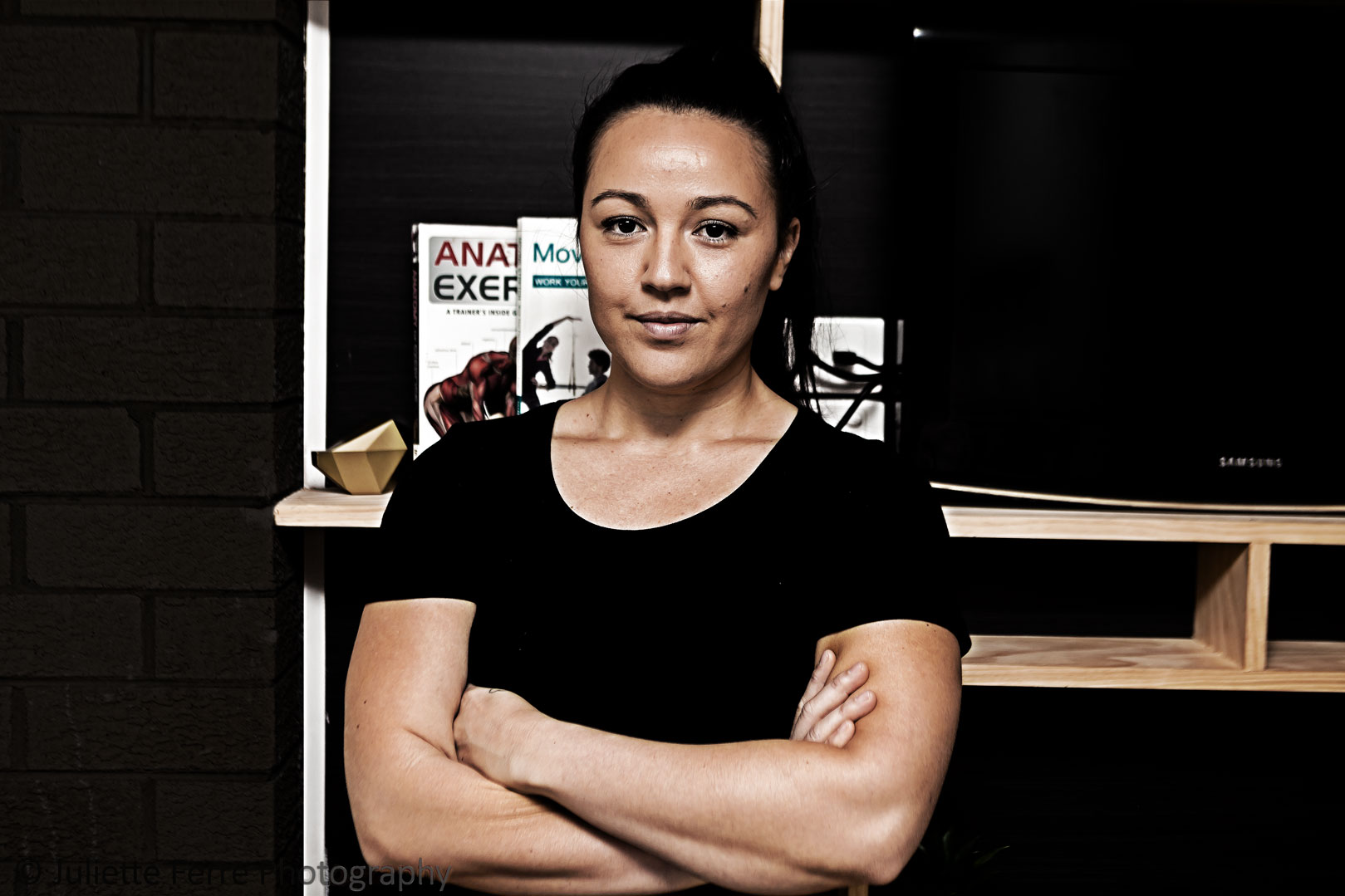
Whether you are a professional Athlete or amateur, infact whatever you level or sport or fitness, my aim is to get you back to what you enjoy doing best at your best with the least chance or re-injury
Personal HELP
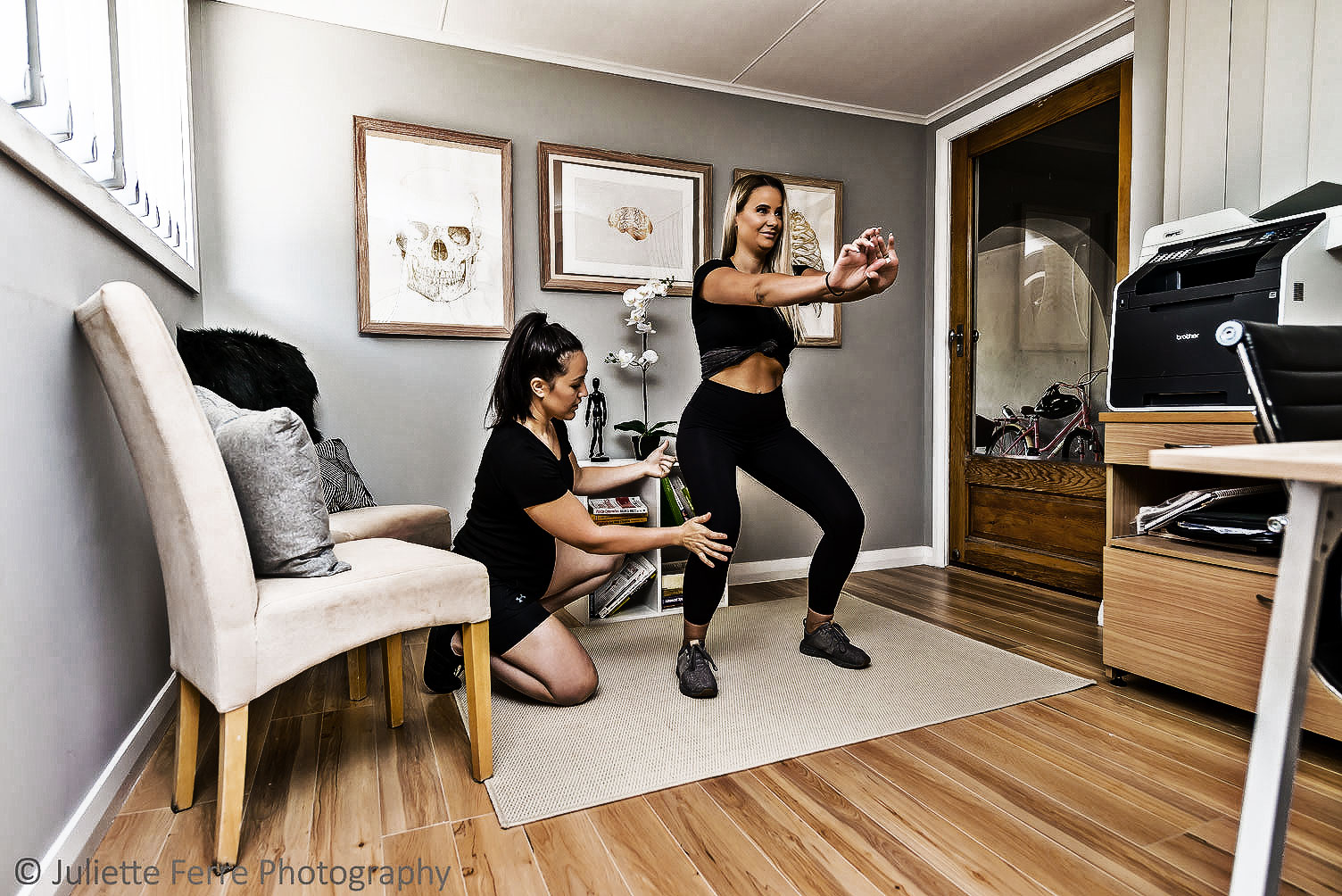
We use hands-on massage therapy to treat pain and then teach you the right exercises to keep you pain-free.
MF CUPPING
Developed by David Sheehan in 2002, MCT™ involves the gliding of negatively pressurised cups over the body with the assistance of massage cream and can be accompanied by joint mobilisation. The negative pressure and sliding can increase nutrient-rich blood supply to the tissue, while giving a gentle passive stretch to the underlying soft tissue. The Myofascial Cupping Technique™ can provide profound benefits, particularly with assisting the body in maintaining range of motion (ROM), eliminating Myofascial Trigger Points and reducing restrictive and sometimes painful fascial adhesions, commonly found from repetitive movement originating from sports and the workplace. By reducing fascial adhesions, while encouraging optimal hydration levels of soft tissue, the MCT™ can assist in reducing the incidence of injury and maintaining functional soft tissue.
KTAPE
Kinesiology tape was first developed by a Japanese Chiropractor Dr Kenzo Kase in 1970. K-tape can be used to effectively manage and prevent acute/chronic sporting injuries. K-tape is not a stand alone treatment but rather it can be combined with other therapeutic soft tissue techniques such as: deep tissue, myofascial release or trigger point release. The elastic component of K-tape allows it to be stretched up 120%-180%. K-tape can be worn for up to 3 days, providing 24/7 therapeutic support and benefits. Kinesiology tape has been shown to effectively reduce pain and inflammation. The lifting skin mechanism caused by k-tape can create more space in the skin and allows significant reduction of pain as well as decreasing inflammations for affected areas. “Swelling causes pressure and pressure causes pain” John Gibbon – specific kinesiology tape procedures can be used to assist to reduce both pressure and pain that has built up in the soft tissues.
DRY NEEDLING
Dry needling, also known as myofascial dry needling or biomedical acupuncture, involves inserting acupuncture needles into soft tissues such as muscles, fascia, ligaments and tendons. It can be helpful in releasing chronically tight muscles and also muscles in spasm.
Dry needling works by increasing blood supply to the tissue in much the same way as massage. The needle is much finer and more accurate than a thumb so it can be a very precise and powerful technique.
The technique is different to acupuncture in that it is based on western anatomy and medicine and not Chinese medicine. It is based purely on musculo-skeletal conditions and won’t be used for treating other conditions as acupuncture can be.
The needle is inserted into the muscle and a twitch response is illicited from the muscle. This twitch means that the muscle is ‘releasing’ and the needling will continue to be manipulated until the twitch ceases. A referral pattern may also be experienced during treatment from the trigger point.
A twisting of the needle can also elicit a referral sensation and also provide a myofascial stretch to the tissue.
MASSAGE
INFINITE BODY BALANCE
THERAPY
BODY 88 H0urs
Monday-Friday: 10am – 6pm
Saturday: 10am – 2pm
Sunday: 10am – 2pm